
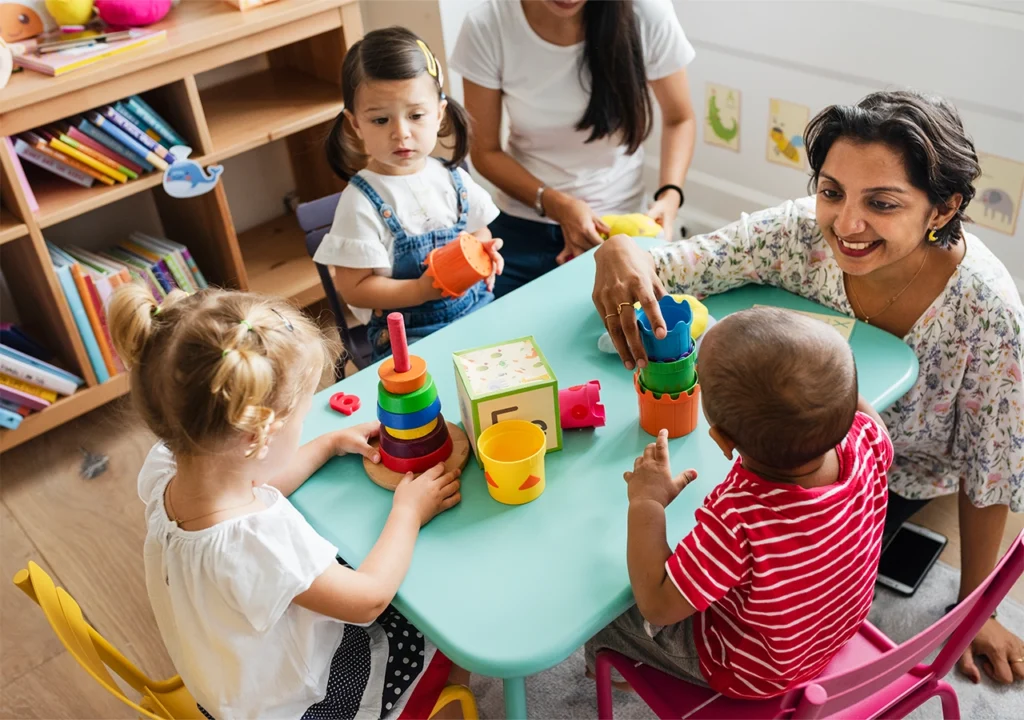
Childcare plays a vital role in shaping a child’s early years, influencing physical, emotional, social, and cognitive development. As families balance work and home responsibilities, quality childcare provides a safe, nurturing environment where children can learn, play, and grow. Beyond supervision, childcare supports early learning, builds social skills, and lays the foundation for lifelong success. Understanding the importance of childcare helps parents make informed decisions that positively impact their child’s future.
Early Childhood as a Critical Development Stage
The early years of a child’s life are a period of rapid brain development. Experiences during this stage shape learning ability, behaviour, and emotional health. High-quality childcare environments provide structured activities, positive interactions, and consistent routines that support healthy development. Children exposed to stimulating and supportive care during early years are more likely to develop strong language, problem-solving, and social skills.
Social Skill Development Through Childcare
Childcare settings give children regular opportunities to interact with peers and adults outside the family. These interactions help children learn cooperation, sharing, communication, and conflict resolution. Group activities encourage teamwork and empathy, helping children understand emotions and social cues. These early social skills form the foundation for healthy relationships throughout life.
Emotional Growth and Confidence Building
A nurturing childcare environment supports emotional development by providing children with consistent care, encouragement, and positive reinforcement. Children learn to express emotions, manage stress, and build resilience. Trusted caregivers help children feel secure, which boosts confidence and independence. Emotional stability developed in childcare settings contributes to better self-esteem and adaptability.
Cognitive Development and Early Learning
Childcare programs often include age-appropriate learning activities that promote cognitive growth. Storytelling, music, puzzles, and creative play stimulate curiosity and critical thinking. Children are introduced to basic literacy and numeracy concepts in a fun and engaging way. Early exposure to learning supports school readiness and a positive attitude toward education.
Physical Development and Healthy Habits
Quality childcare supports physical development through active play, movement, and healthy routines. Outdoor activities improve motor skills, coordination, and overall fitness. Childcare settings also encourage healthy eating habits and regular rest, contributing to physical wellbeing. Establishing these habits early helps children maintain a healthy lifestyle as they grow.
Routine and Structure in Childcare
Children thrive on routine, and childcare provides predictable schedules that help them feel secure. Regular meal times, play sessions, and rest periods support emotional regulation and behaviour management. Structured routines also help children transition smoothly into school environments, where consistency and time management are essential.
Supporting Working Families
Childcare plays an important role in supporting families by providing reliable care while parents work or study. Knowing their children are in a safe and supportive environment reduces stress for parents and allows them to focus on responsibilities. This balance benefits both children and families, strengthening overall wellbeing.
Preparing Children for School and Life
Children who attend quality childcare are often better prepared for school academically and socially. They are familiar with group learning, following instructions, and interacting with peers. These experiences ease the transition into formal education and contribute to long-term academic success.
Long-Term Benefits of Quality Childcare
Research consistently shows that children who experience high-quality childcare benefit well into adulthood. Improved educational outcomes, stronger social skills, and better emotional health are among the long-term advantages. Investing in quality childcare is an investment in a child’s future.
Final Thoughts on the Importance of Childcare
Childcare is far more than a convenience; it is a critical component of healthy child development. By supporting emotional, social, cognitive, and physical growth, childcare helps children build a strong foundation for life. Choosing quality childcare ensures children receive the care, guidance, and opportunities they need to thrive.
References
https://www.raisingchildren.net.au
https://www.acecqa.gov.au
https://www.betterhealth.vic.gov.au