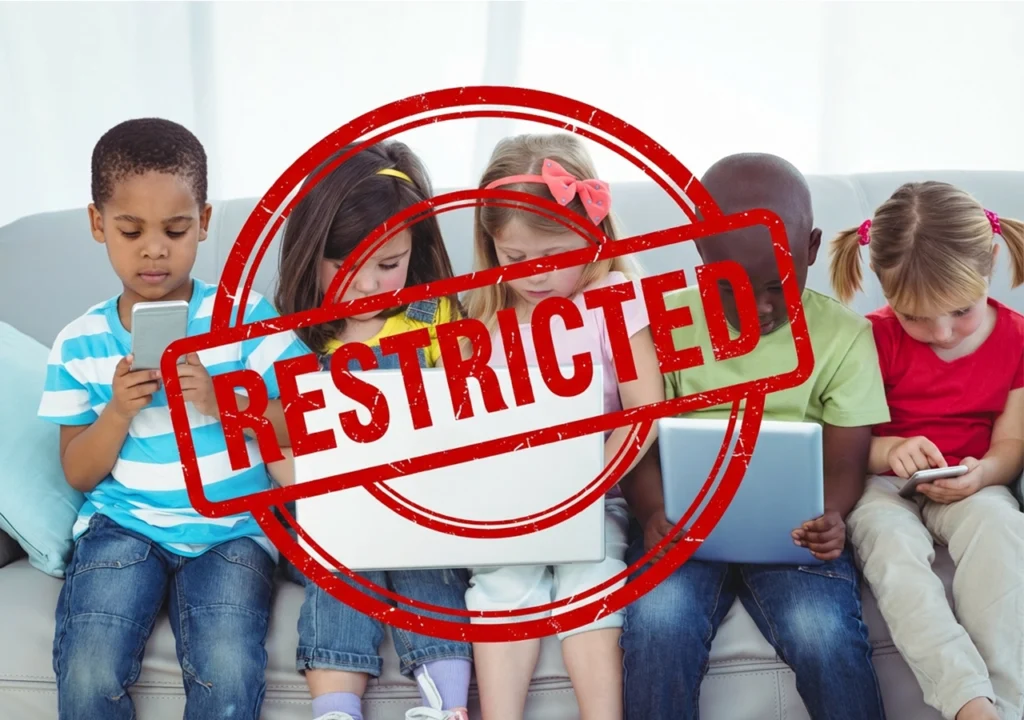
Children today grow up surrounded by digital platforms that shape how they learn, communicate, and socialise. While technology offers many benefits, growing evidence shows that unrestricted access to social media can negatively affect children’s mental health, safety, and development. In response, Australia has strengthened its online safety approach by enforcing social media age restrictions, effectively banning children under 16 years from holding accounts on major social media platforms. These laws aim to protect children during critical developmental years while encouraging healthier digital habits and safer online environments.
Understanding the Under-16 Social Media Ban in Australia
Australia’s under-16 social media ban focuses on preventing children below the age of 16 from creating or maintaining accounts on platforms designed primarily for older users. These regulations align with online safety and privacy frameworks that require digital platforms to take reasonable steps to verify age and restrict underage access. The intention is not to exclude children from technology entirely, but to delay exposure to high-risk social media environments until they are more emotionally and cognitively prepared.
Why the Age of 16 Matters
The age of 16 is widely recognised as a key developmental milestone. Before this age, children are still developing emotional regulation, critical thinking, impulse control, and social awareness. Social media platforms often expose users to comparison culture, online conflict, harmful content, and pressure to perform socially. Restricting access for children under 16 allows them to mature emotionally and socially before navigating complex digital spaces independently.
Protecting Children’s Mental and Emotional Health
One of the strongest benefits of the under-16 social media ban is improved mental health protection. Research has linked early social media use with increased anxiety, low self-esteem, sleep disruption, and exposure to cyberbullying. By limiting access until age 16, children are shielded from constant social comparison, online validation pressure, and harmful interactions during their most vulnerable years. This gives children more time to build confidence, resilience, and a positive sense of identity offline.
Reducing Cyberbullying and Online Harassment
Cyberbullying is a major concern for children using social media. Younger users often lack the tools to manage online harassment or understand reporting mechanisms. The under-16 ban reduces children’s exposure to bullying, toxic behaviour, and peer pressure. Fewer online conflicts mean improved emotional wellbeing and safer social development during early adolescence.
Limiting Exposure to Inappropriate Content
Social media platforms frequently host content that is unsuitable for children under 16, including explicit material, violence, misinformation, and dangerous trends. Age restrictions help ensure that children are not exposed to content that can negatively influence behaviour or emotional development. Instead, children can engage with age-appropriate educational platforms and supervised digital learning tools.
Encouraging Healthier Digital Habits
Delaying social media use helps children develop healthier screen habits. Without early exposure to addictive scrolling and constant notifications, kids are more likely to spend time on physical play, learning activities, hobbies, and family interaction. When children eventually access social media at an appropriate age, they are more likely to approach it responsibly and with better self-control.
Strengthening Parental Guidance and Control
The under-16 social media ban supports parents in setting clear digital boundaries. Parents no longer feel pressured to allow early access simply because peers are online. Instead, families can focus on teaching digital literacy, online safety, and respectful communication in a controlled and age-appropriate way. This shared responsibility between parents and law enforcement creates a stronger foundation for children’s online behaviour.
Protecting Children’s Data and Privacy
Children’s personal data is especially vulnerable online. Social media platforms collect large amounts of user information, which can be misused or exploited. By banning accounts for children under 16, Australian laws reduce the collection and storage of children’s data, ensuring stronger privacy protection and long-term digital safety.
Creating a Safer Online Environment
The under-16 ban sends a clear message to technology companies about accountability and child protection. Platforms are encouraged to improve age verification systems, content moderation, and child-safe design. Over time, these changes contribute to a safer digital ecosystem for all users, especially young people.
Balancing Technology and Childhood Development
The goal of Australia’s under-16 social media ban is balance, not isolation. Children can still benefit from technology through educational apps, learning platforms, and supervised online tools. What changes is the timing and type of access. By protecting childhood from premature social media exposure, children are given the freedom to develop creativity, social skills, and emotional strength offline.
Final Thoughts on the Under-16 Social Media Ban
Australia’s under-16 social media account ban represents a proactive approach to protecting children in a rapidly evolving digital world. By prioritising mental health, privacy, and healthy development, these laws help children grow stronger, safer, and more confident before entering social media spaces. When combined with parental guidance and education, age-based restrictions can play a vital role in shaping a healthier digital future for the next generation.
References
https://www.esafety.gov.au
https://www.oaic.gov.au
https://www.australia.gov.au