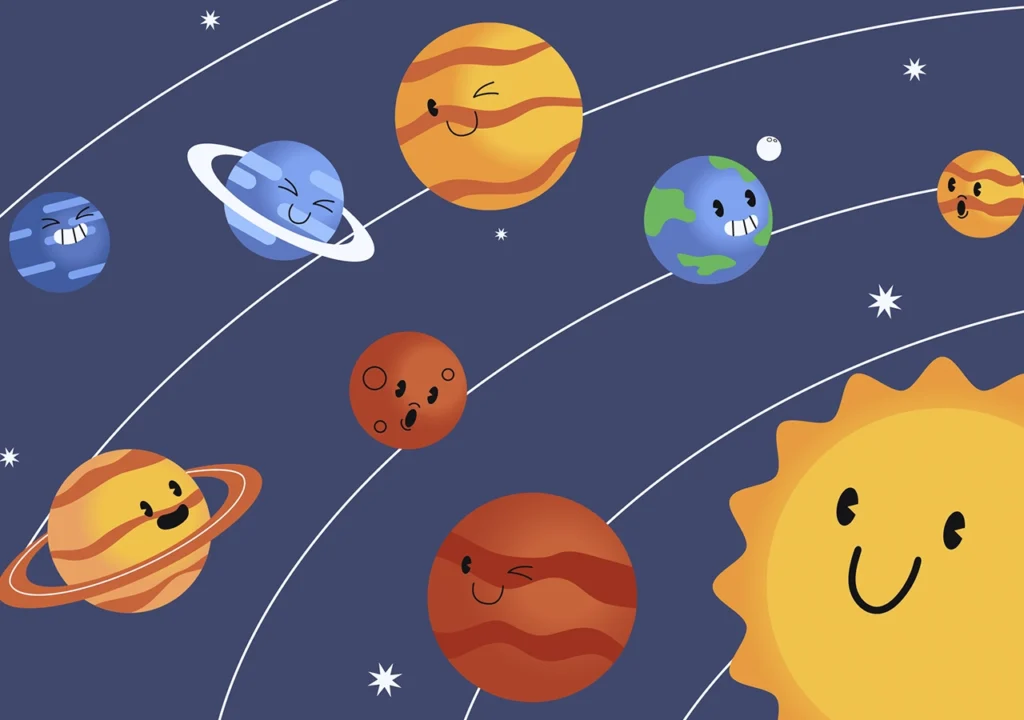
Learning about planets in our solar system opens a child’s mind to the wonders of space, science, and discovery. From the bright Sun at the center to distant icy worlds at the edge, the solar system is filled with fascinating objects that spark curiosity and imagination. Teaching children about planets in a simple, engaging, and age-appropriate way helps build early science knowledge while encouraging curiosity, observation, and critical thinking. Understanding the solar system also helps children appreciate Earth’s unique place in the universe and inspires a lifelong interest in learning.
What Is the Solar System?
The solar system is made up of the Sun and everything that moves around it, including planets, moons, asteroids, and comets. The Sun is a massive star that provides light and heat, making life on Earth possible. All planets travel around the Sun in paths called orbits. Learning how the solar system works helps children understand basic space science concepts such as gravity, motion, and time.
Why Learning About Planets Is Important for Kids
Learning planets in our solar system supports early education by developing curiosity and scientific thinking. Space topics encourage children to ask questions, explore ideas, and imagine beyond their surroundings. Planet learning also strengthens memory, listening skills, and vocabulary. Introducing astronomy at a young age helps children develop an interest in science, technology, engineering, and mathematics, building a strong foundation for future learning.
The Sun: The Heart of Our Solar System
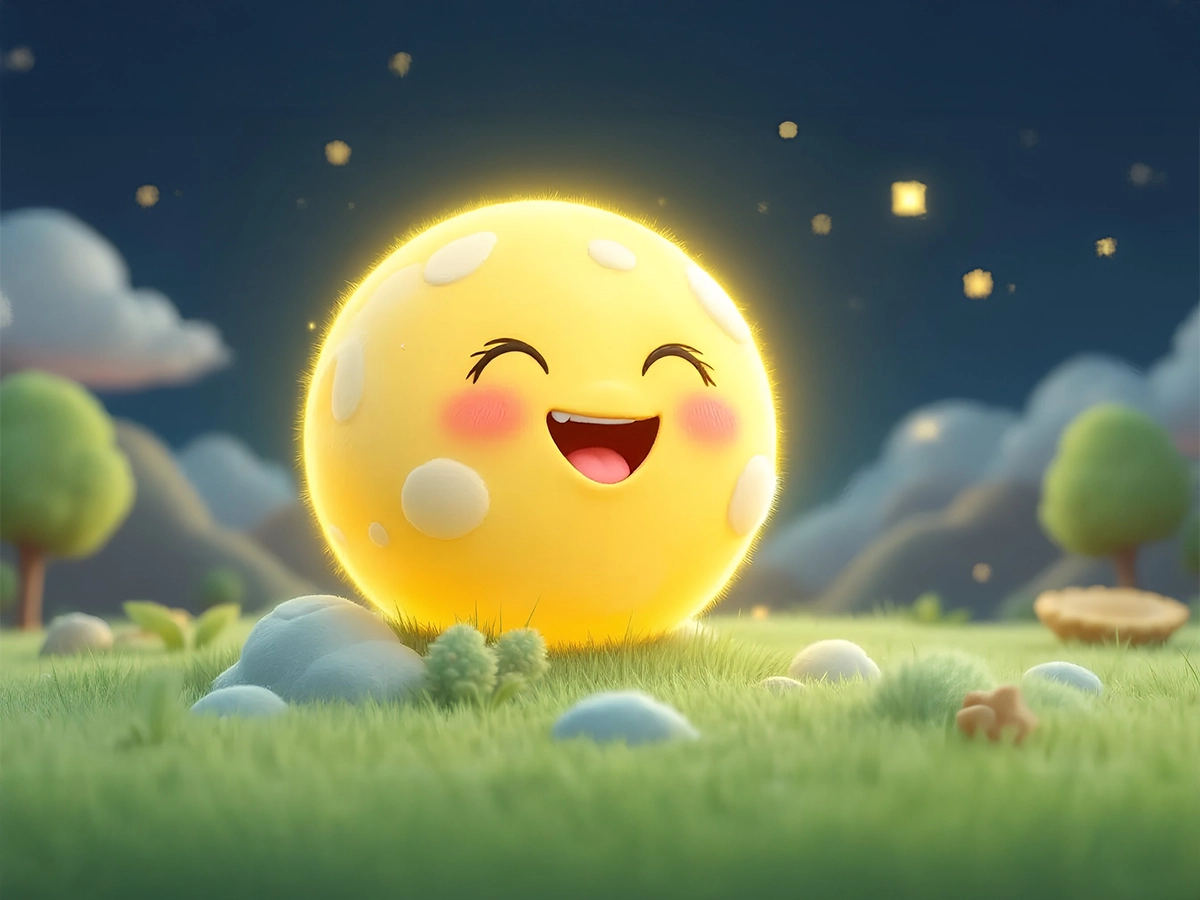
The Sun is the largest object in the solar system and sits at its center. It is a giant ball of hot gases that produces energy through powerful reactions. The Sun provides warmth and light, allowing plants to grow and life to exist on Earth. Teaching kids about the Sun helps them understand day and night, seasons, and why Earth is not too hot or too cold. Although it looks small in the sky, the Sun is much larger than all the planets combined.
Mercury: The Closest Planet to the Sun
Mercury is the smallest planet in our solar system and the closest to the Sun. It has a rocky surface filled with craters, similar to the Moon. Mercury has extreme temperatures, being very hot during the day and freezing cold at night. Learning about Mercury teaches children that planets can be very different from Earth and that distance from the Sun affects temperature.
Venus: The Bright and Hot Planet
Venus is often called Earth’s sister planet because of its similar size, but its environment is very different. Venus is the hottest planet in the solar system due to its thick atmosphere that traps heat. It shines brightly in the sky and is sometimes visible in the morning or evening. Learning about Venus helps children understand how atmospheres affect climate and why planets can have different conditions.
Earth: Our Home Planet
Earth is the only known planet that supports life. It has air, water, land, and the right temperature for plants, animals, and humans. Earth’s rotation creates day and night, while its movement around the Sun creates seasons. Teaching kids about Earth helps them appreciate nature, understand environmental responsibility, and recognise why protecting the planet is important.
Mars: The Red Planet
Mars is known as the Red Planet because of its reddish surface. Scientists study Mars closely to understand whether life may have existed there in the past. Mars has mountains, valleys, and signs that water once flowed on its surface. Learning about Mars excites children’s imagination and introduces them to space exploration and scientific discovery.
Jupiter: The Largest Planet
Jupiter is the biggest planet in our solar system and is made mostly of gas. It has many moons and a famous storm called the Great Red Spot. Jupiter’s strong gravity helps protect inner planets by pulling in space debris. Teaching kids about Jupiter introduces ideas of size, gravity, and the diversity of planets.
Saturn: The Planet With Rings
Saturn is famous for its beautiful rings made of ice and rock. It is a gas giant like Jupiter but has a lighter structure. Saturn has many moons and a unique appearance that fascinates children. Learning about Saturn helps kids understand that planets can look very different and still be part of the same system.
Uranus: The Tilted Planet
Uranus is a cold gas planet that spins on its side. This unusual tilt causes extreme seasons that last many years. Uranus appears blue due to gases in its atmosphere. Teaching kids about Uranus introduces them to the idea that planets can rotate and move in unexpected ways.
Neptune: The Windy Planet
Neptune is the farthest planet from the Sun and is known for strong winds and deep blue colour. It is very cold and takes a long time to orbit the Sun. Learning about Neptune helps children understand distance, time, and the outer edges of the solar system.
How to Teach Planets in a Fun Way
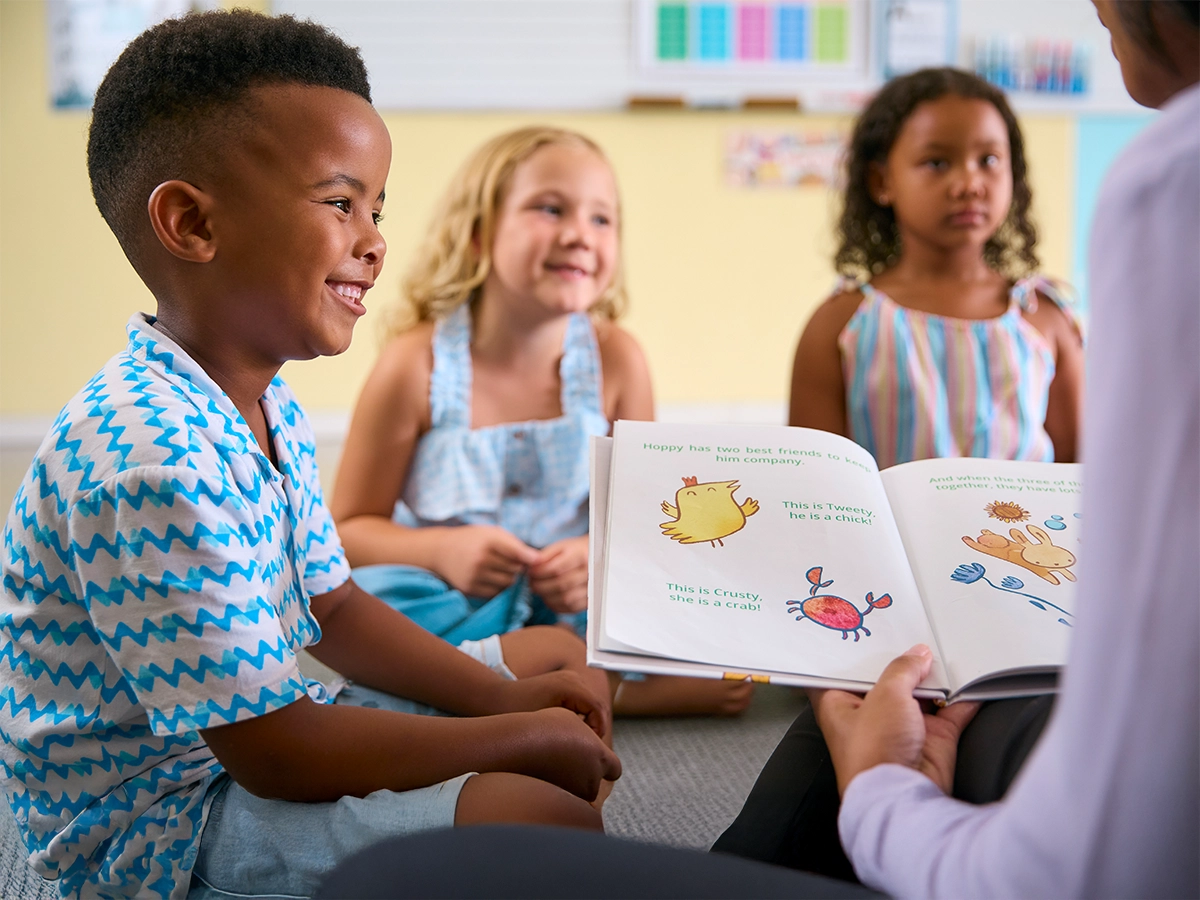
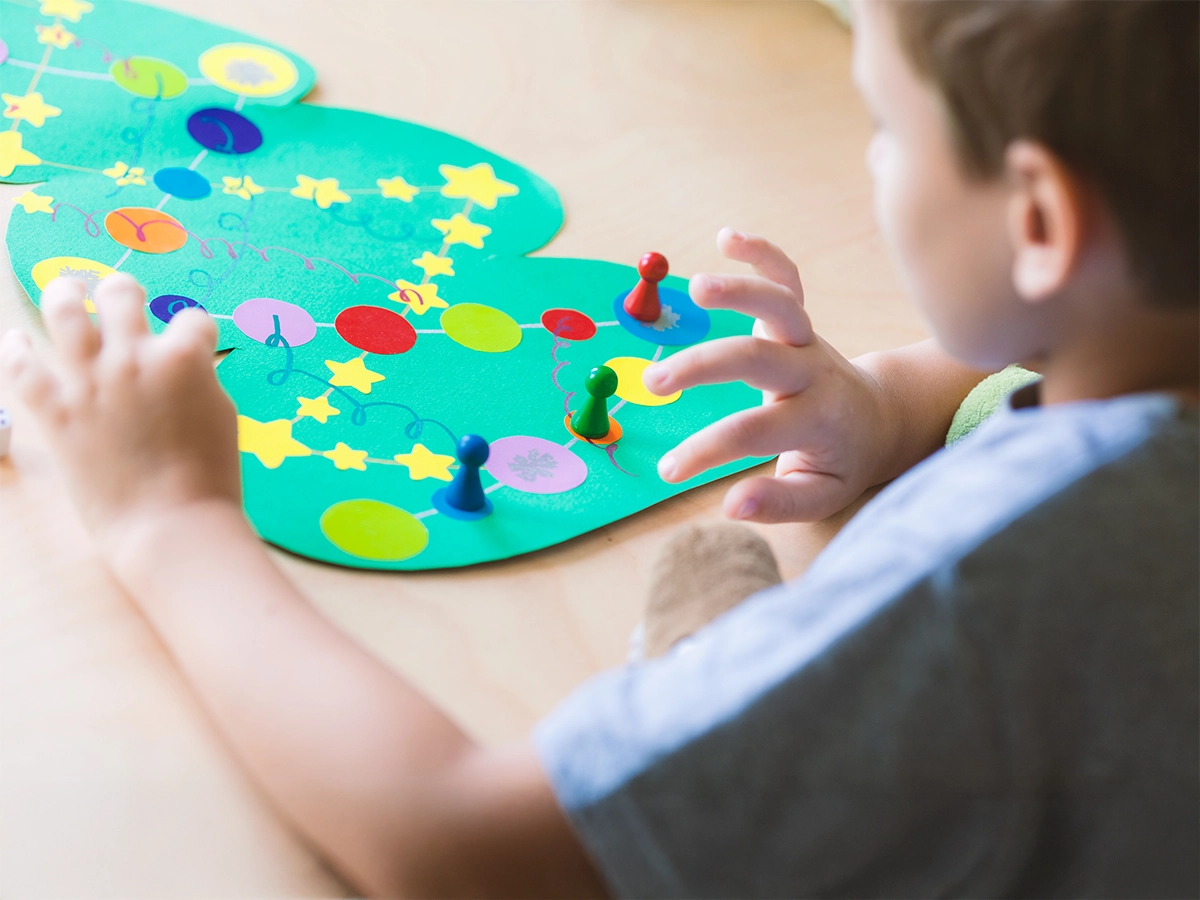
Learning planets in our solar system becomes more enjoyable when taught through songs, stories, visuals, and activities. Using rhymes, videos, and simple comparisons helps children remember planet names and order. Hands-on activities like drawing planets or acting out orbits make learning interactive and memorable.
Benefits of Learning Space Topics Early
Early exposure to space science builds curiosity, creativity, and confidence. Children who learn about planets often develop better problem-solving skills and a stronger interest in learning. Space education also encourages children to think big, dream freely, and explore new ideas.
Final Thoughts on Learning Planets for Kids
Learning planets in our solar system is an exciting journey that introduces children to science, imagination, and discovery. By teaching planets in a simple and engaging way, parents and educators can inspire curiosity and a love for learning. Understanding the solar system helps children see the universe as a place full of wonder and possibility while appreciating the special role of Earth as our home.
References
https://solarsystem.nasa.gov
https://www.space.com
https://www.nationalgeographic.com