
Summer is a joyful season for children filled with sunshine, outdoor play, school holidays, and endless opportunities for exploration, but it also comes with unique challenges that parents and caregivers must carefully manage. From intense heat and dehydration to excessive screen time and disrupted routines, summer care for kids requires thoughtful planning to ensure children stay safe, healthy, and engaged. A well-structured summer care approach not only protects children from seasonal risks but also supports their physical development, emotional well-being, learning habits, and social skills during the long break. By creating a balanced mix of play, rest, learning, nutrition, and safety practices, families can turn summer into a productive and memorable time for kids of all ages.
Why Summer Care for Kids Is Important
Summer brings freedom from school schedules, but without proper guidance, children may experience irregular sleep, unhealthy eating habits, boredom, or even safety hazards. Long daylight hours and warm temperatures increase outdoor activity, which is beneficial but also increases risks such as heat exhaustion, sunburn, insect bites, and accidents. Summer care is important because it provides structure while still allowing flexibility, helping children maintain healthy routines while enjoying their break. Proper summer care also ensures kids continue learning through play, build independence, develop creativity, and stay emotionally balanced even without formal schooling.
Maintaining a Healthy Daily Routine During Summer
A consistent daily routine helps children feel secure and energized throughout summer. While summer schedules can be more relaxed than school days, maintaining basic routines for waking up, meals, playtime, rest, and bedtime is essential. Children who follow predictable patterns tend to have better sleep quality, improved mood, and stronger self-regulation skills. Morning routines may include light exercise, outdoor time, or creative activities, while afternoons can focus on quiet play, reading, or rest. Evening routines should promote calmness and prepare kids for a good night’s sleep, even during longer daylight hours.
Importance of Sleep in Summer
Sleep is often disrupted during summer due to late sunsets, holidays, and relaxed rules, but adequate rest is crucial for children’s growth and immunity. Establishing a regular bedtime, limiting screen use before sleep, and creating a cool, comfortable sleeping environment can help kids get enough rest. Good sleep supports attention, memory, emotional control, and overall health, making it a key component of summer care.

Outdoor Play and Physical Activity
Outdoor play is one of the greatest benefits of summer for kids. Running, jumping, cycling, swimming, and playing games help children develop strong muscles, coordination, and cardiovascular health. Outdoor activities also reduce stress, improve mood, and encourage social interaction. However, summer care must include safety measures such as supervision, appropriate clothing, hydration, and sun protection. Encouraging kids to play outdoors during cooler parts of the day, such as early mornings or late afternoons, can help reduce heat-related risks while still allowing plenty of physical activity.
Safe Summer Play Practices
Safety should always come first during summer play. Children should wear hats, lightweight clothing, and sunscreen when outdoors. Play areas should be checked for hazards, and water activities should always be supervised. Teaching kids basic safety rules, such as staying within designated areas and recognizing signs of overheating, helps build awareness and responsibility.
Nutrition and Hydration for Summer Health
Summer care for kids includes special attention to nutrition and hydration, as hot weather increases fluid loss and appetite patterns may change. Children need plenty of water throughout the day to stay hydrated, especially during active play. Fresh fruits, vegetables, whole grains, and lean proteins provide essential nutrients and help maintain energy levels. Seasonal fruits like watermelon, berries, and oranges are excellent choices because they are hydrating and rich in vitamins. Limiting sugary drinks, processed snacks, and excessive ice creams helps prevent energy crashes and supports long-term health.
Encouraging Healthy Eating Habits
Involving kids in meal planning and preparation can make healthy eating more enjoyable. Simple activities like washing fruits, assembling salads, or choosing snacks empower children and teach valuable life skills. Maintaining regular meal and snack times also supports digestion and prevents overeating.
Managing Screen Time During Summer Holidays
With more free time at home, screen time often increases during summer, making it an important aspect of summer care. While educational programs and games can be beneficial in moderation, excessive screen use can affect sleep, physical activity, and attention spans. Setting clear boundaries for screen time encourages kids to explore other activities such as reading, crafts, outdoor play, or imaginative games. Creating screen-free times, especially before bed and during meals, supports healthier habits and family connections.
Learning Through Play and Creativity
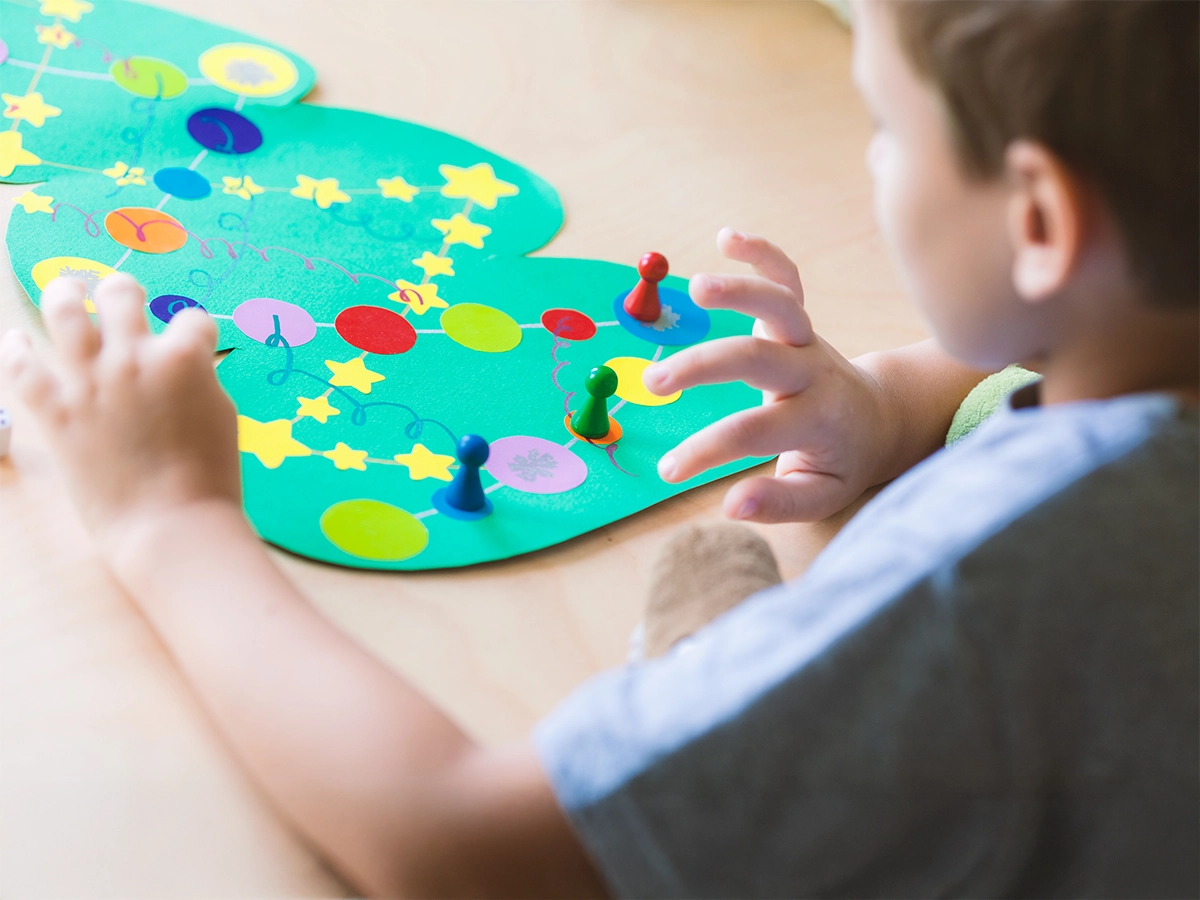
Summer does not have to mean a break from learning. Informal learning through play, exploration, and creativity keeps young minds active without the pressure of schoolwork. Activities such as storytelling, drawing, music, puzzles, and simple science experiments help children develop cognitive skills while having fun. Summer care that includes learning through play supports curiosity, problem-solving, and creativity, laying a strong foundation for the next school year.
Building Social Skills During Summer
Summer provides opportunities for kids to interact with siblings, friends, and community groups. Group games, cooperative activities, and shared projects help children practice communication, teamwork, and empathy. Positive social experiences during summer contribute to emotional development and confidence.
Emotional Well-Being and Mental Health
Children’s emotional well-being is just as important as physical health during summer. Changes in routine, reduced social interaction, or boredom can sometimes lead to irritability or anxiety. Summer care should include time for relaxation, open communication, and emotional expression. Encouraging kids to talk about their feelings, engage in calming activities, and enjoy unstructured play helps support mental health. A nurturing and supportive environment allows children to recharge emotionally during the break.
Sun Safety and Heat Protection
One of the most critical aspects of summer care for kids is protecting them from the sun and heat. Prolonged exposure to high temperatures can lead to dehydration, heat exhaustion, or sunburn. Applying sunscreen regularly, ensuring kids wear protective clothing, and providing shaded rest areas are essential practices. Parents should watch for signs of overheating such as dizziness, fatigue, or irritability and respond promptly with rest and hydration.
Travel and Holiday Safety Tips
Summer often includes travel, outings, and family holidays, which require extra planning for child safety. Whether visiting beaches, parks, or new destinations, caregivers should ensure children are supervised, know basic safety rules, and stay hydrated. Packing essentials such as water bottles, hats, sunscreen, and snacks helps maintain comfort and safety while traveling. Familiar routines and comfort items can also help children adjust to new environments.
Supporting Independence and Life Skills
Summer is an excellent time to encourage independence and responsibility in children. Simple tasks like tidying toys, helping with meals, watering plants, or managing personal belongings build confidence and practical skills. Age-appropriate responsibilities teach children accountability while fostering self-esteem. Summer care that supports independence prepares kids for school readiness and daily life challenges.
Creating Lasting Summer Memories
Beyond safety and structure, summer care is about creating joyful memories that children will cherish. Family activities, outdoor adventures, creative projects, and quality time together strengthen bonds and create positive associations with learning and growth. A balanced approach to summer care ensures kids feel loved, supported, and excited about their experiences.
Final Thoughts on Summer Care for Kids
Summer care for kids is about more than keeping children busy during school holidays; it is about nurturing their health, happiness, and development in a holistic way. By maintaining routines, encouraging outdoor play, providing nutritious food, managing screen time, and supporting emotional well-being, parents and caregivers can create a summer that is both enjoyable and enriching. Thoughtful summer care helps children grow stronger, more confident, and better prepared for the year ahead while making the most of this special season.
References
https://www.healthychildren.org
https://raisingchildren.net.au
https://www.betterhealth.vic.gov.au
https://kidshealth.org